












Wholesale suppliers & exporters of Natural Essential Oil, Spice Oil and Carrier Oil from India


 Kanta
group of companies provide the best of both worlds for the flavor and
fragrance industry which demands for quality and consistency. Born in 1971,
Kanta Group is now a third generation family business and a well known name
in this industry. Started by a young and dynamic guy with big
entrepreneurial ambitions, Kanta Chemical Company began as a trading company
engaged in aromatic chemicals perfumery raw materials.
Kanta
group of companies provide the best of both worlds for the flavor and
fragrance industry which demands for quality and consistency. Born in 1971,
Kanta Group is now a third generation family business and a well known name
in this industry. Started by a young and dynamic guy with big
entrepreneurial ambitions, Kanta Chemical Company began as a trading company
engaged in aromatic chemicals perfumery raw materials. Key Products
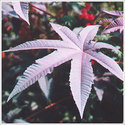
Cypriol Oil

Lemongrass Oil
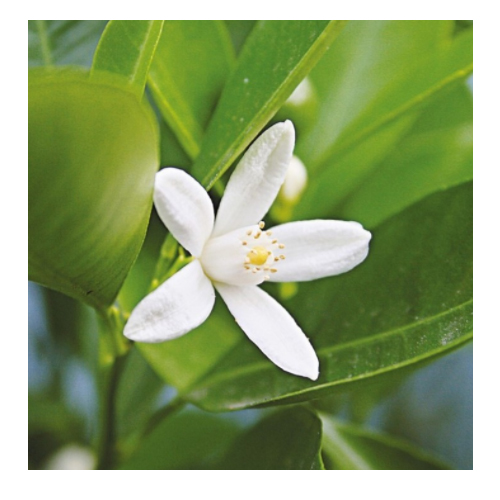
Ajowan Oil

Dill Seed Oil
Industries We Serve
Soap & Detergents
Aromatherapy Product
Cosmetic Products
Incensestick
Beauty Products
Pharmaceuticals
Serving the industry for nearly 100 years
 The
Ultimate name, when it comes to aroma and natural oil
The
Ultimate name, when it comes to aroma and natural oil
100% Customer Satisfaction Guarantee!
Customer Testimonial
I have purchased aromatherapy oils and I m very happy with your product. I must say your products are great and support has been great as well. The oils are so effective and natural. I am delighted with the products which are of excellent quality. |
Why Us?
Exclusive and Stable Supply
Best Prices
High Quality Standards
Exciting Product Selections
Certifications
Our company has many products that have passed the quality certification process. Our highly experienced staff performs many strenuous tests on our product before being delivered to our customers.
 |
 |
 |
 |
 |
 |
 |


Company Profile | Products | Infrastructure | Quality Assurance | Franchise Enquiry | Contact Us | EnquiryMobile Site
 ©
Kanta Enterprises Private Limited. All Rights Reserved (Terms
of Use)
©
Kanta Enterprises Private Limited. All Rights Reserved (Terms
of Use)